About the Threat
Deforestation
This land is at high risk of deforestation, habitat fragmentation, and biodiversity loss over the coming ten years, due to increasing pressures from land conversion, illegal resource extraction, and climate change. The surrounding region has already experienced significant deforestation, mainly due to cattle ranching, monoculture plantations, and small-scale agriculture.
Without protection, this land could be clear-cut for unsustainable land use. Additionally, the Amazon rainforest is heavily targeted for illegal logging operations, which selectively remove high-value timber species, disrupting the ecosystem. Gold and oil exploration have also expanded into Indigenous territories, leading to river contamination, soil degradation, and the destruction of wildlife habitats.
The loss of primary rainforest would disrupt the migration corridors of key species, leading to population declines in primates, giant otters, jaguars, and macaws. Water sources within the land could be polluted or diverted, affecting the ecosystem and freshwater biodiversity.
Currently, the Shuar community plays a crucial role in conservation through traditional ecological knowledge. If the land is not protected, external entities may take control, limiting Indigenous-led conservation efforts.

Why Vote for This Habitat
About this land
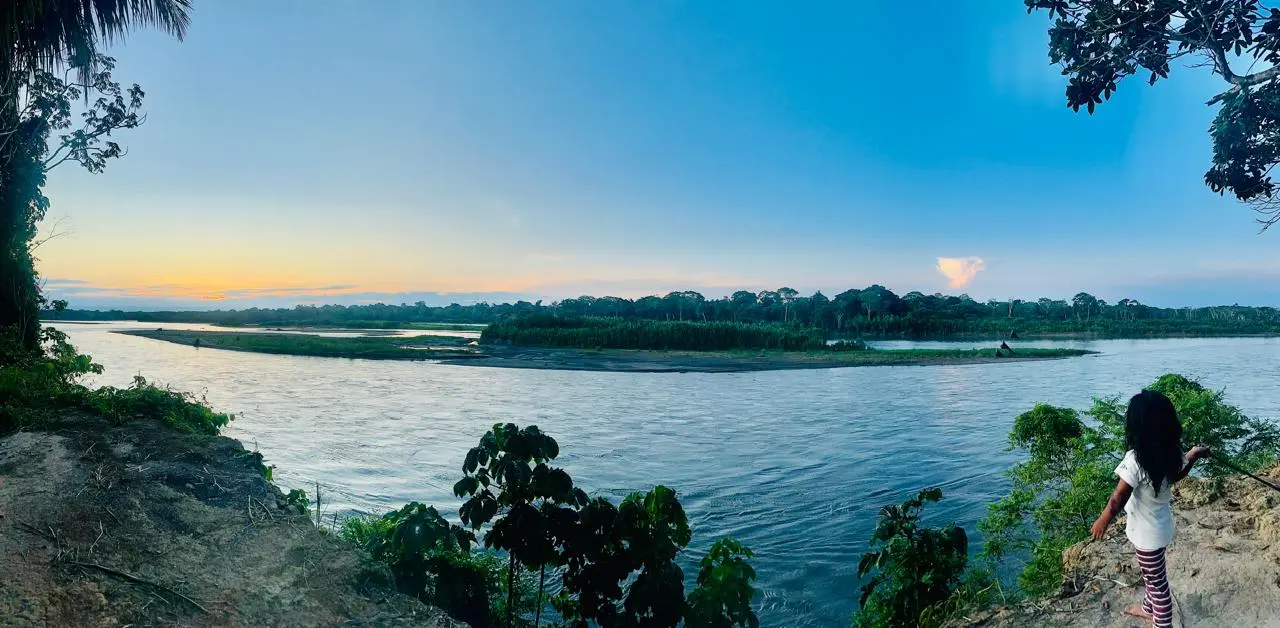
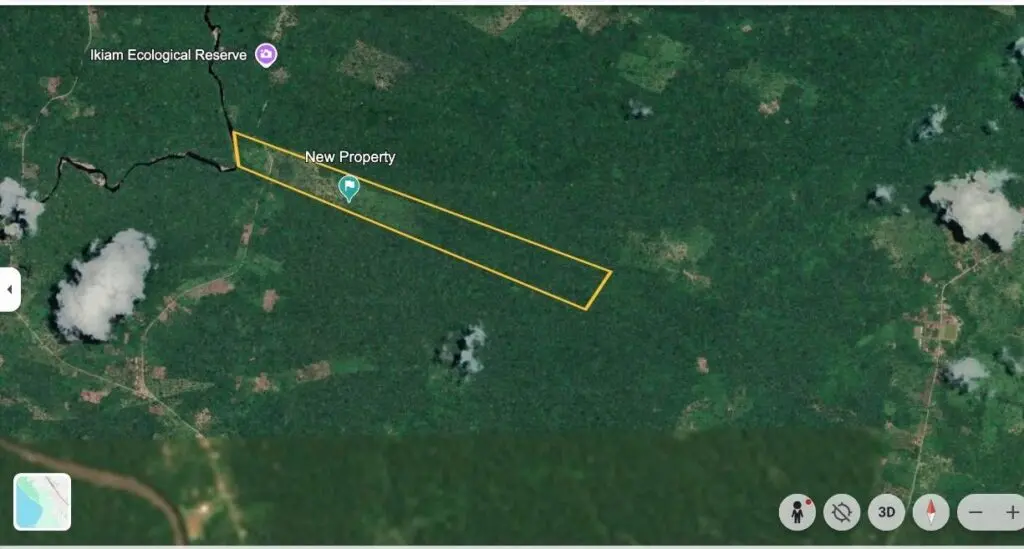
This land purchase represents a strategic investment in Amazonian conservation and Indigenous-led land protection. Located in the heart of the Amazon Rainforest, one of the world’s most biodiverse regions, the 80-hectare site consists of untouched old-growth rainforest with high biodiversity value. Among the threatened species living in this habitat are:
- Critically Endangered Turquoise-throated Pufflegs (Eriocnemis godini)
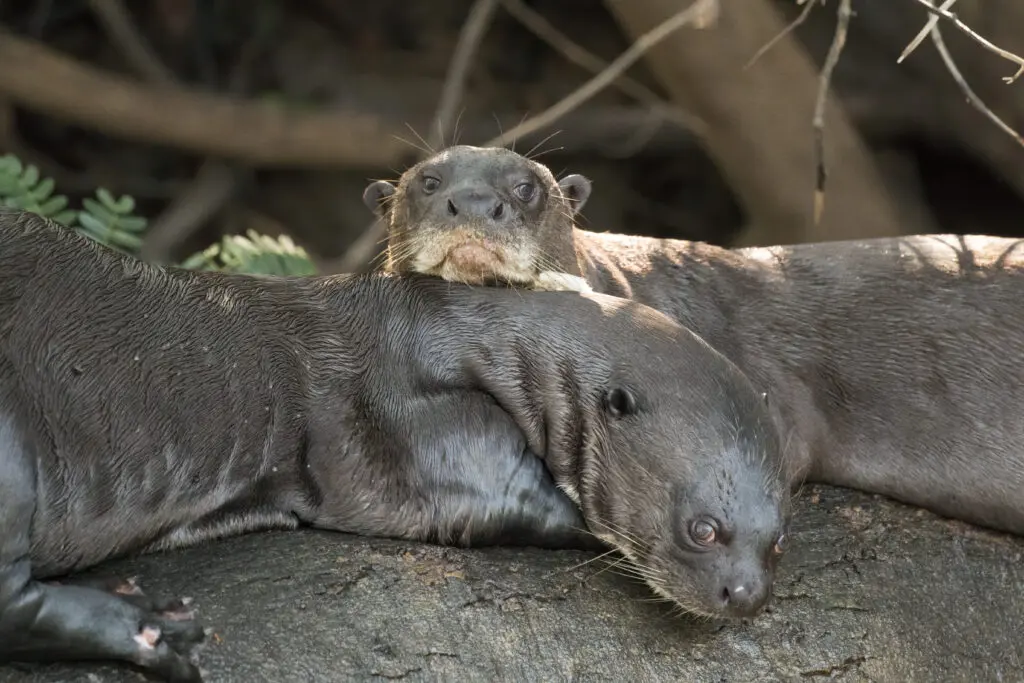
- Endangered Giant Otters (Pteronura brasiliensis)
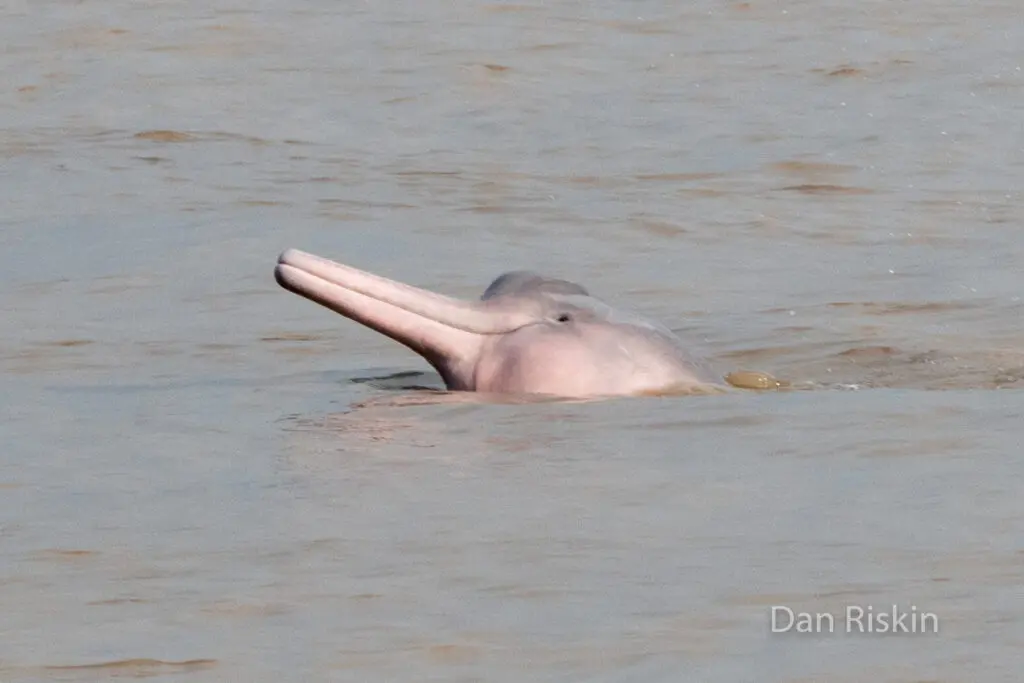
- Endangered Amazon River Dolphins (Inia geoffrensis)
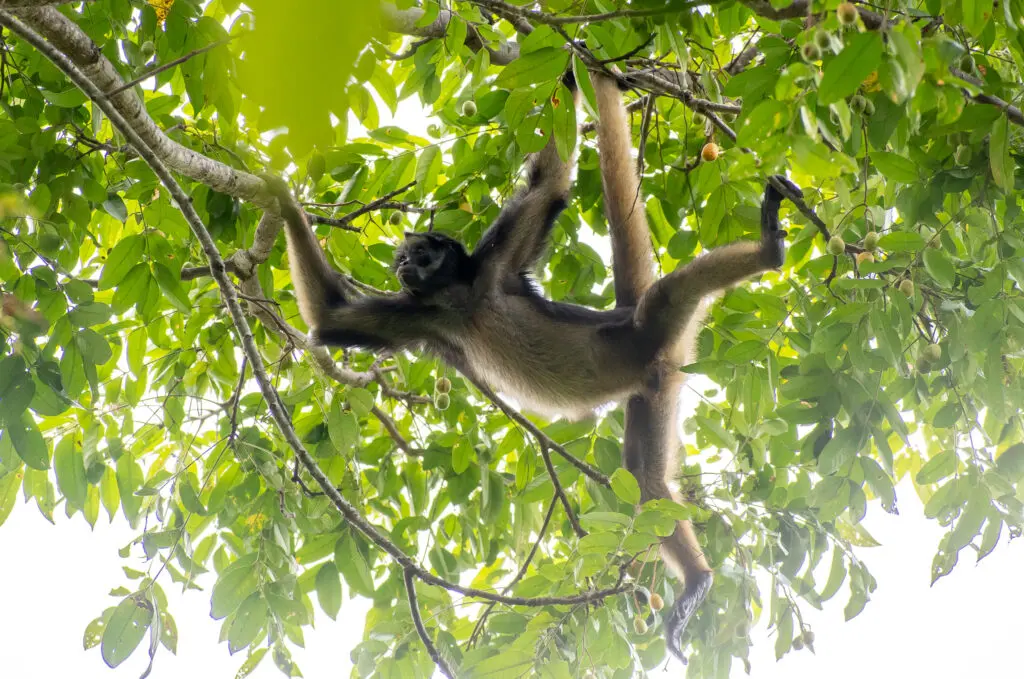
- Endangered White-bellied Spider Monkeys (Ateles belzebuth)
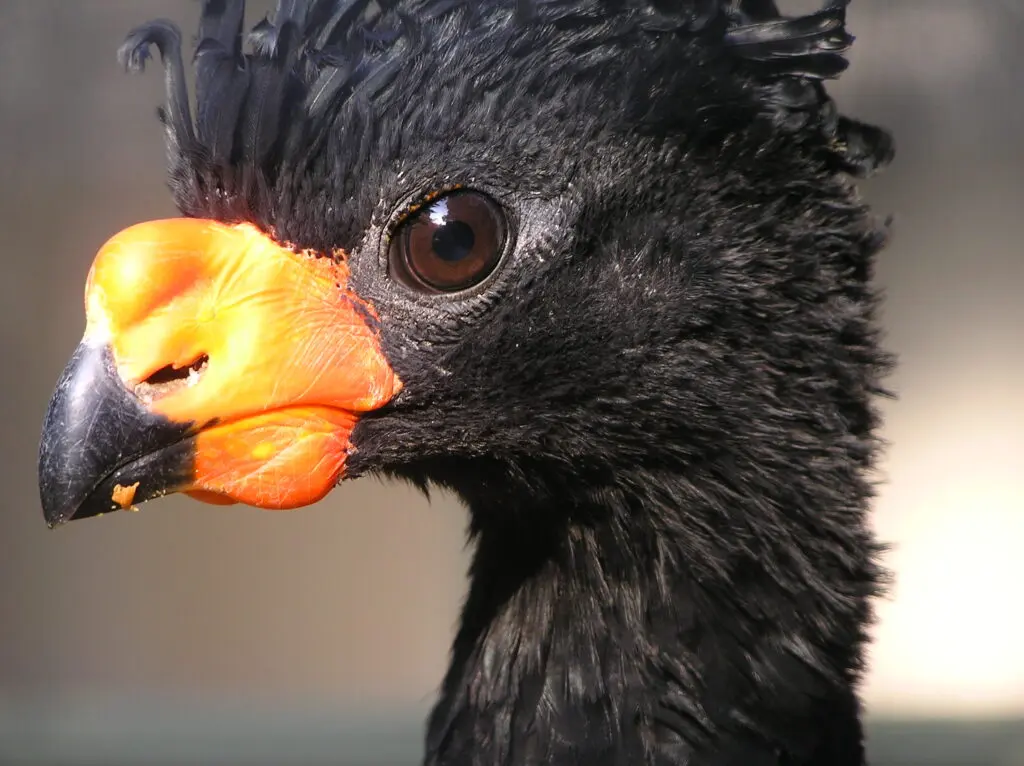
- Endangered Wattled Curassows (Crax globulosa)
- Vulnerable Common Woolly Monkeys (Lagothrix lagothricha)
- Vulnerable Lowland (Amazonian) Tapirs (Tapirus terrestris)
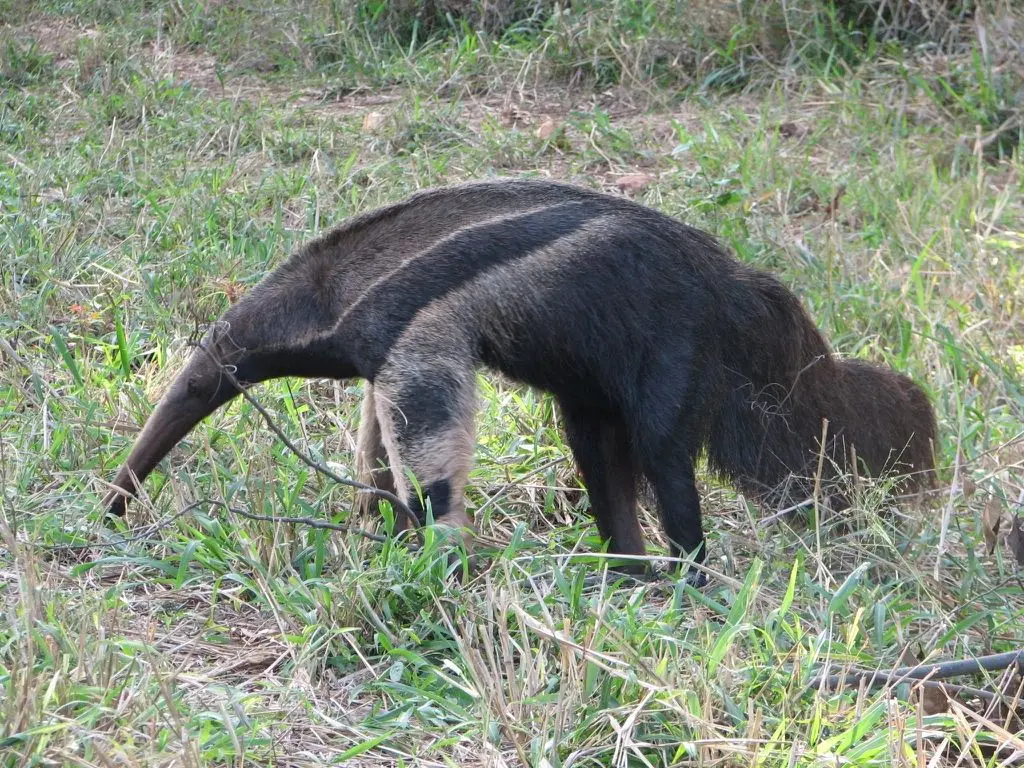
- Vulnerable Giant Anteaters (Myrmecophaga tridactyla)
- Vulnerable Harpy Eagles (Harpia harpyja)
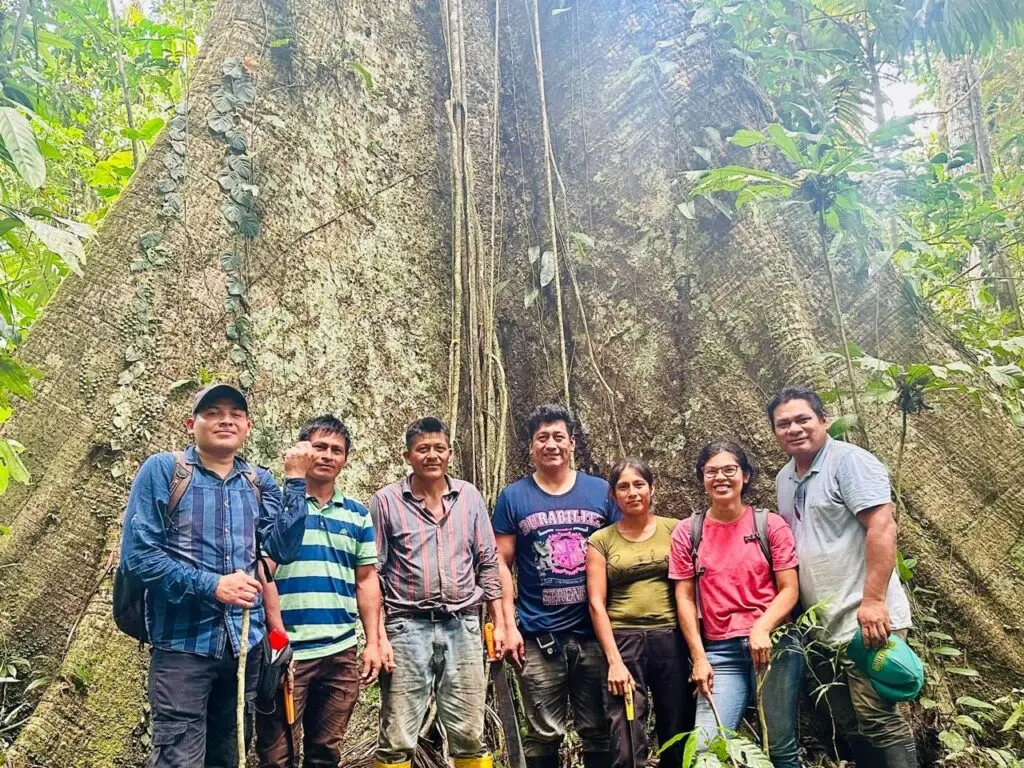
The land is also home to Near Threatened Jaguars, over 500 bird species, centuries-old giant ceibas (Ceiba pentandra), and rare orchids.
The land to be purchased is adjacent to a 133-hectare reserve (managed by TiME’s partner Fundación Visión Amazónica, in collaboration with the Shuar people), ensuring connectivity for wildlife migration and genetic diversity. Additionally, the forest plays a crucial role in carbon sequestration, helping to mitigate climate change.
The Shuar community has traditionally used the land for sustainable practices such as harvesting medicinal plants, small-scale agroforestry, and cultural rituals, all of which support biodiversity conservation.
- Backed by: Scientific advisory committee
Cost of Land Purchase
Total Amount requested
$50,000 USMinimum purchase
$50,000 USSize of suggested purchased land of this application
80.0 haMinimum size that can be purchased
80.0 haLocal Partner NGO

Fundación Visión Amazónica (IKIAM Foundation)
Fundación Visión Amazónica (IKIAM Foundation) is a nonprofit organization dedicated to the conservation of Indigenous lands, the protection of biodiversity, and the sustainable management of the Ecuadorian Amazon ecosystem.
Status of registration at the national level
Private, nonprofit organization in Ecuador
Governance and management structure
Fundación Visión Amazónica (IKIAM Foundation) operates under a collaborative governance model. It is managed by a Board of Directors, which includes Indigenous representatives, conservation experts, and environmental advocates who provide strategic direction and oversight. A Scientific Advisory Committee supports research, conservation strategy, and ecosystem monitoring. Local Shuar community leaders actively participate in decision-making, ensuring that conservation aligns with Indigenous knowledge and needs.
Fundación Visión Amazónica is part of an institutional ecosystem together with IKIAM Foundation and IKIAM Flourish. These three entities — created primarily by Indigenous members of the community, together with invited partners — jointly advance the IKIAM Ecosystem initiative, including the IKIAM Ecological Reserve, which is our biodiversity conservation line of work.
Conservation Plans
The IKIAM Reserve expansion will be permanently protected under Indigenous stewardship, ensuring that the 80-hectare land remains conserved for future generations.
After the land purchase, we will begin implementing conservation and restoration activities in deforested areas that threaten our current reserve. Restoration will be active, applying Shuar traditional knowledge: we will invite our elders and traditional authorities to share and teach their knowledge, and we will also invite youth and children to learn directly from them.
The long-term management plan includes legal protection, ecological monitoring, Indigenous-led conservation initiatives, and sustainable financing to maintain and safeguard biodiversity.
- Legal & institutional protection: The land will be legally designated as a conservation reserve under the Shuar community’s governance, preventing deforestation and land conversion. We will collaborate with local authorities, conservation organizations, and Indigenous councils to ensure long-term legal recognition and enforcement.
- Community-based conservation & stewardship: The Shuar community, which has stewarded this land for generations, will lead forest protection, habitat restoration, and sustainable land management efforts. Training programs will be implemented to equip local rangers with ecological monitoring skills, including preventing illegal activities like logging or poaching.
- Biodiversity & ecosystem monitoring: We will establish long-term biodiversity assessments, tracking key-indicator species, deforestation rates, and ecological health using camera traps, drones, and field surveys.
- Sustainable financing & partnerships: We will secure grants, carbon-offset funding, and eco-tourism revenue to finance conservation activities. Partnerships with universities and research institutions will support scientific studies and conservation innovation.
By integrating traditional knowledge, scientific monitoring, and sustainable financing, this land will remain a thriving, biodiverse Amazonian ecosystem for generations to come.