The Habitat
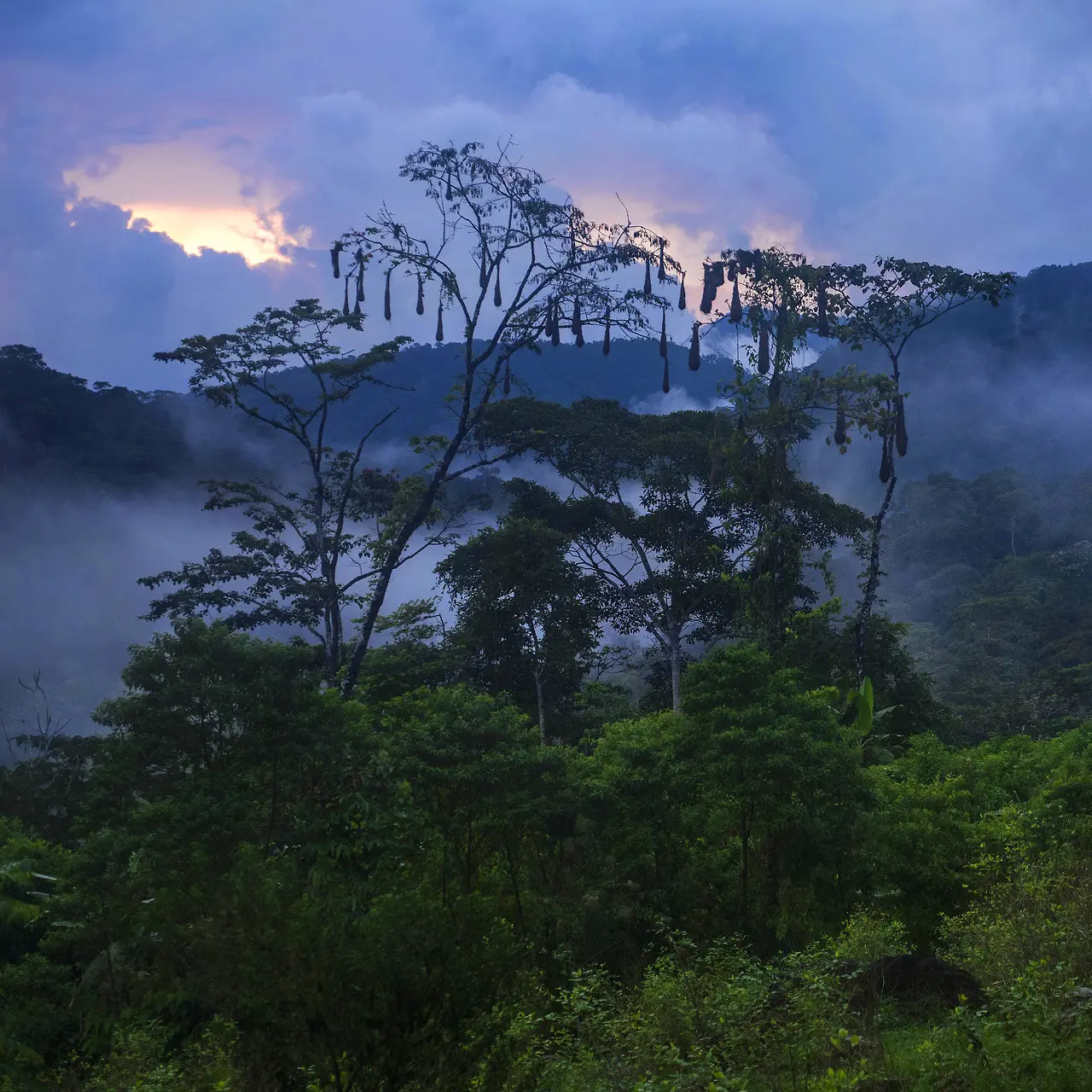
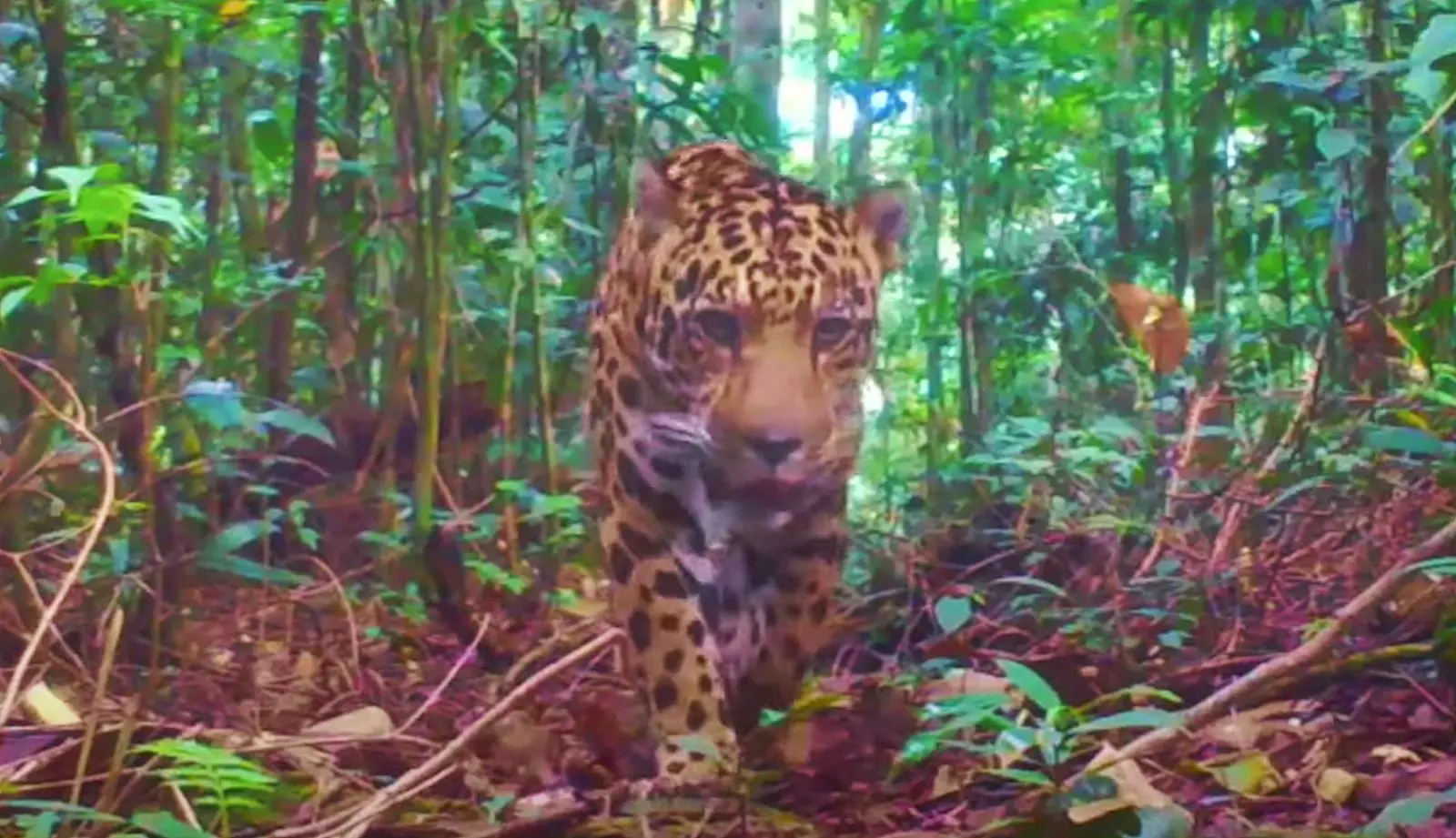
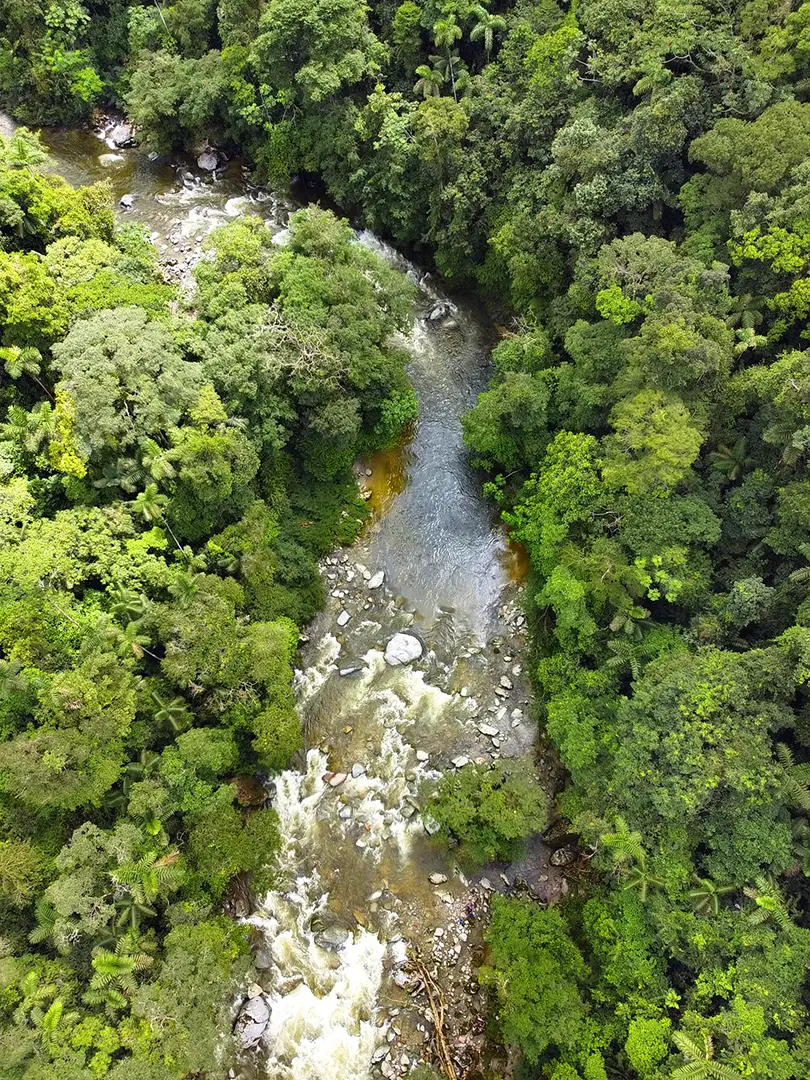
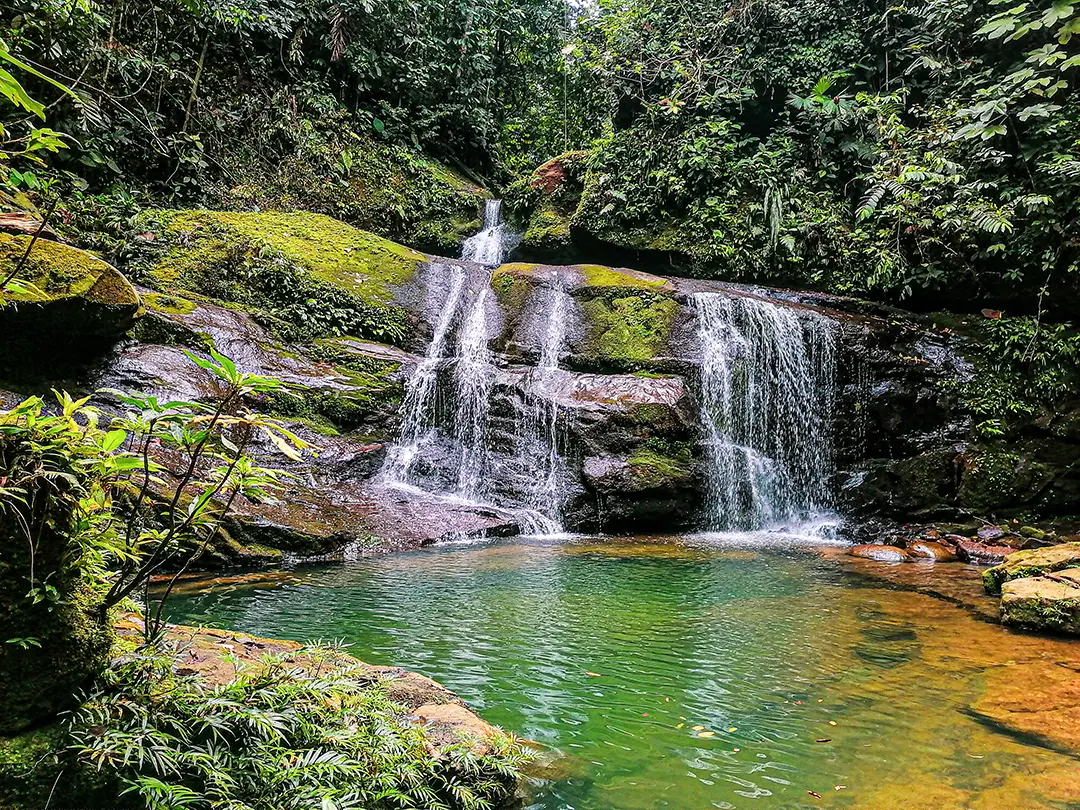
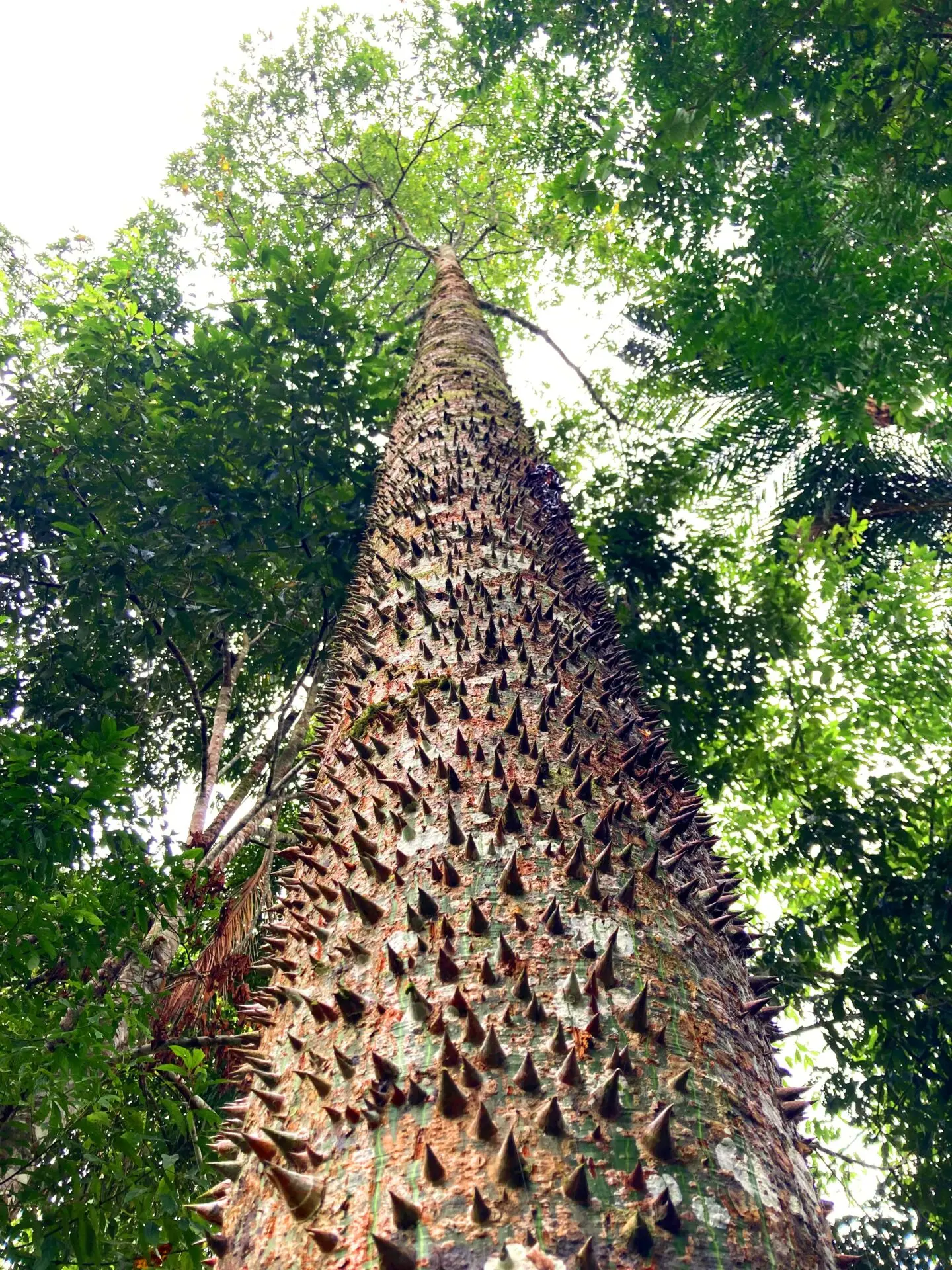
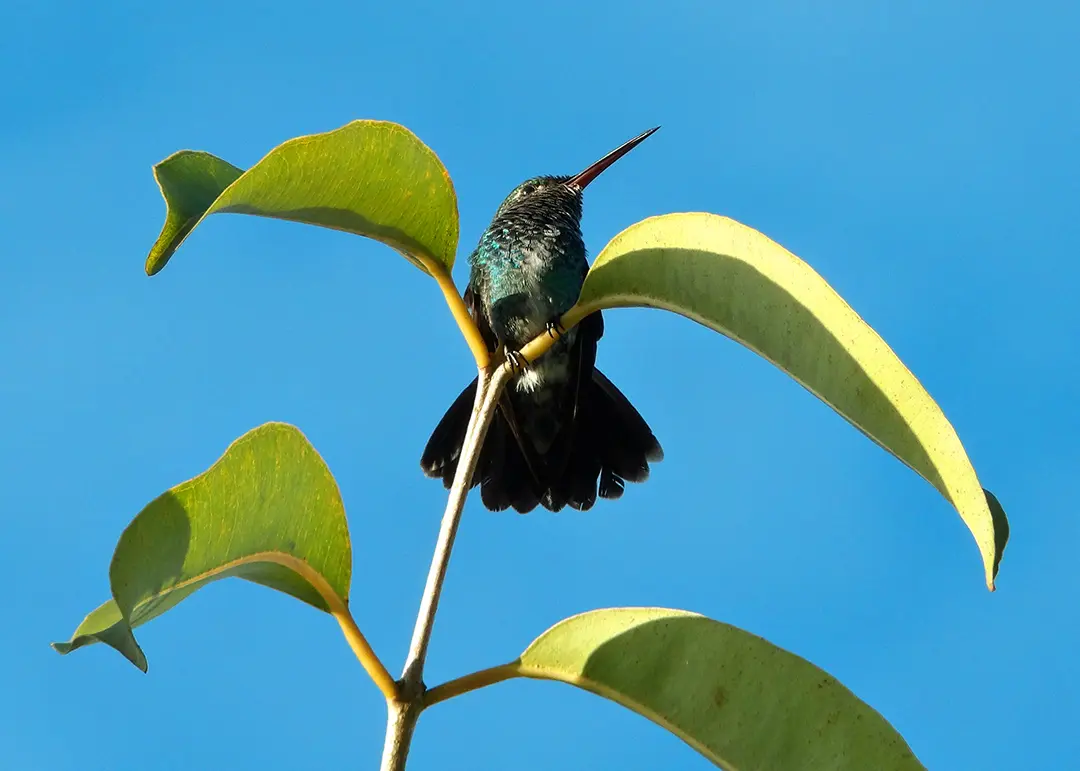
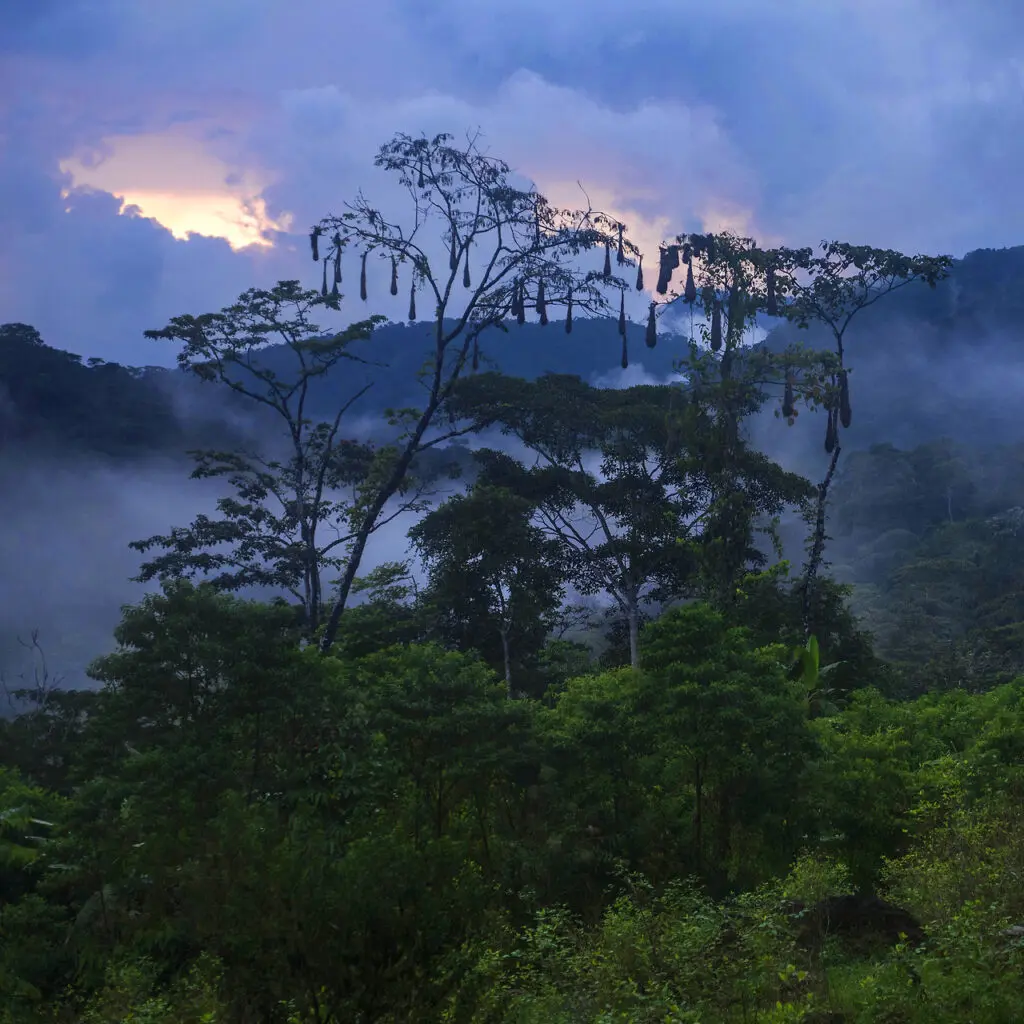
The land purchase is a deep jungle plot of pristine primary forest at the border of the Tropical Andean biodiversity hotspot. It is part of the ecological corridor of the Tropical Andean Jaguar (Panthera onca) and among the last rangelands of the Vulnerable Andean Bear (Tremarctos ornatus).
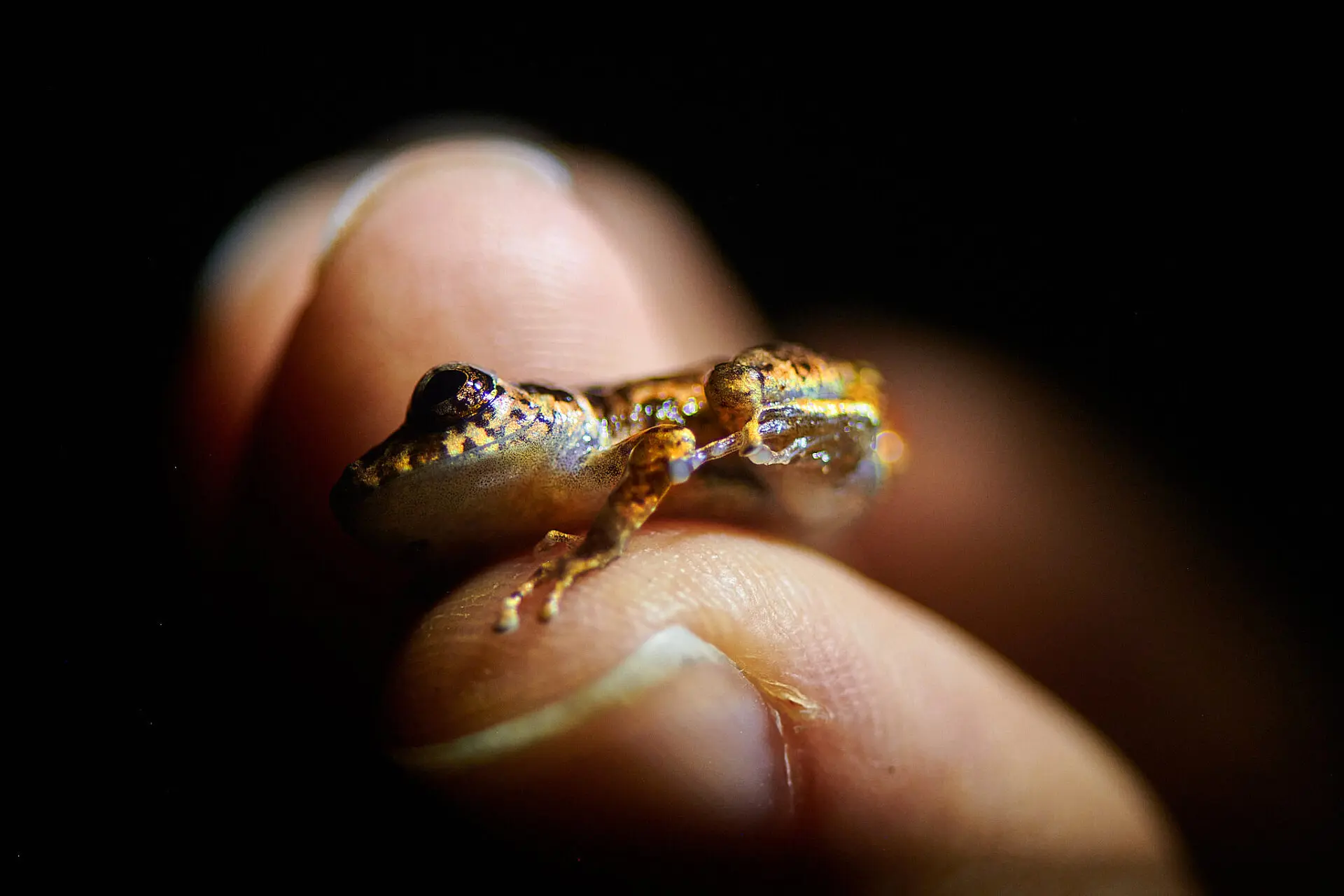
The land is home to an estimated 8,803 endemic species and has at least 20 species that are designated as Endangered or Vulnerable.
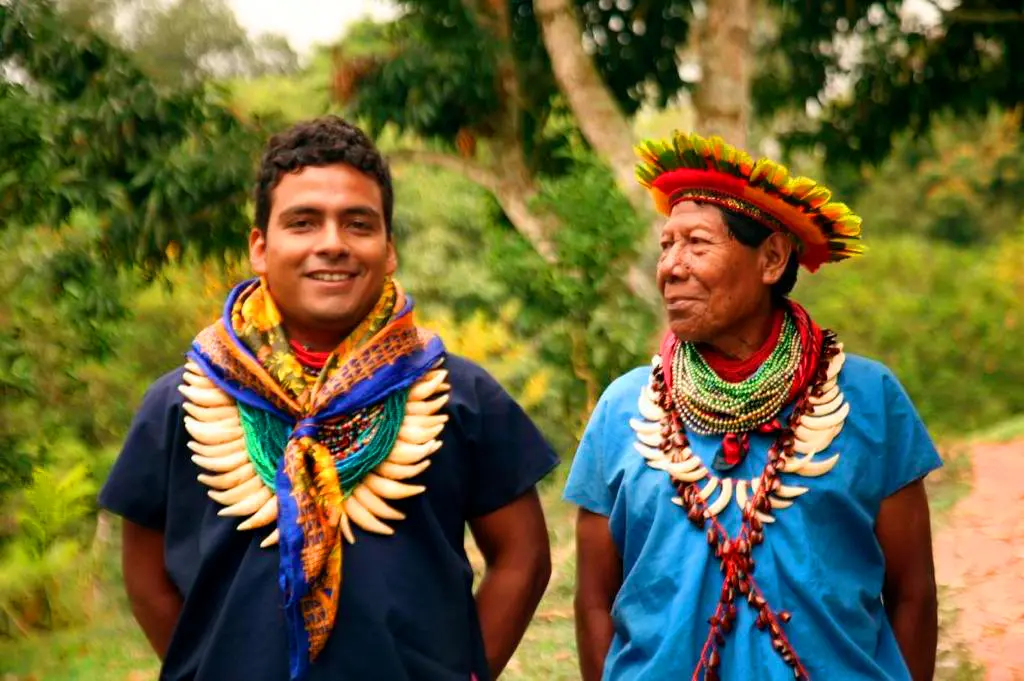
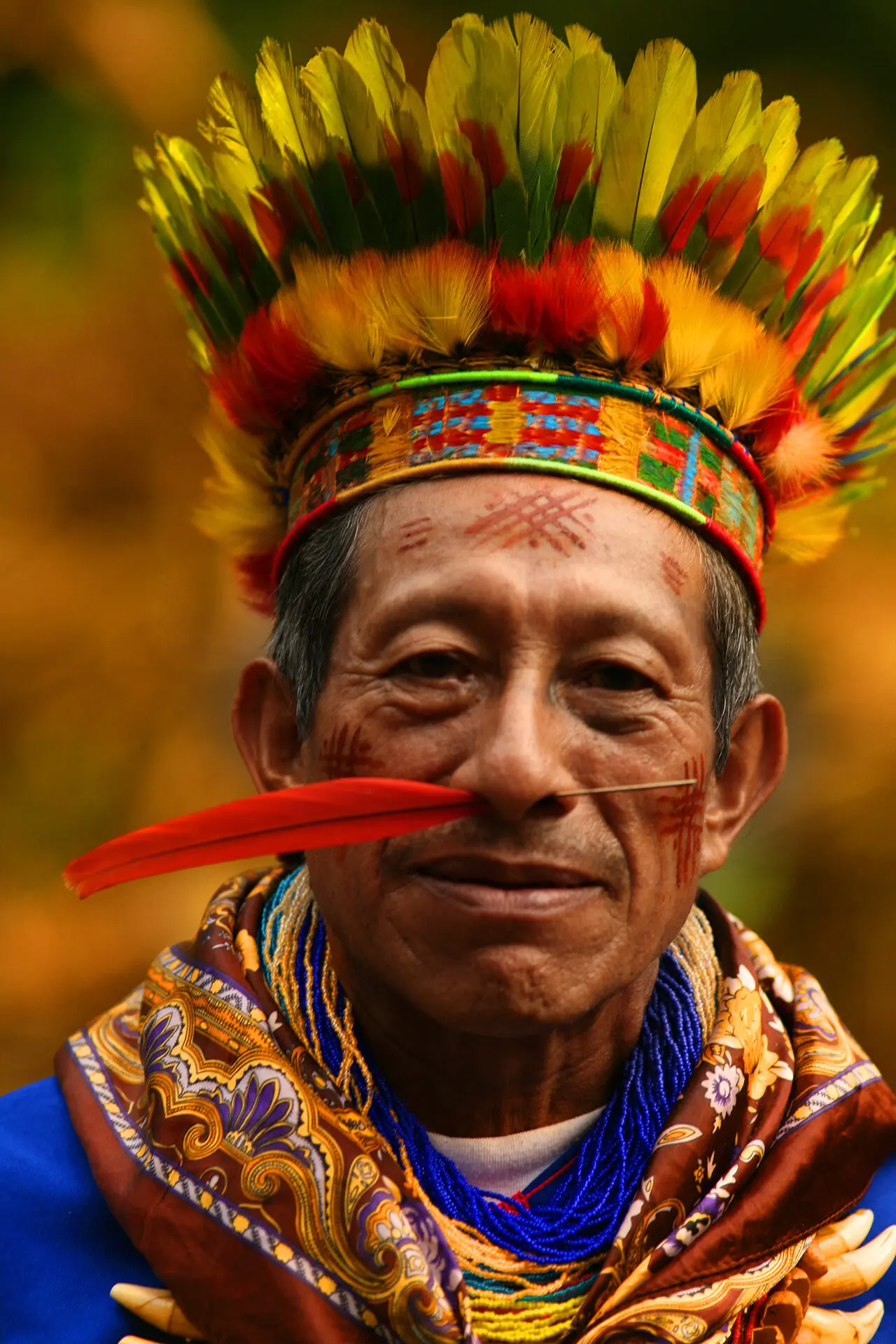
Cabildo Pada Kera will be protected under a rights-of-nature legal structure, such that the land is a legal subject with rights to be protected and the Indigenous Embera Chami people are its legal guardians.
Some of the threatened species now protected in Cabildo Pada Kera include:
Endangered Mountain Tapir (Tapirus pinchaque)
Endangered Giant Otter (Pteronura brasiliensis)
Endangered Wattled Curassow (Crax globulosa)
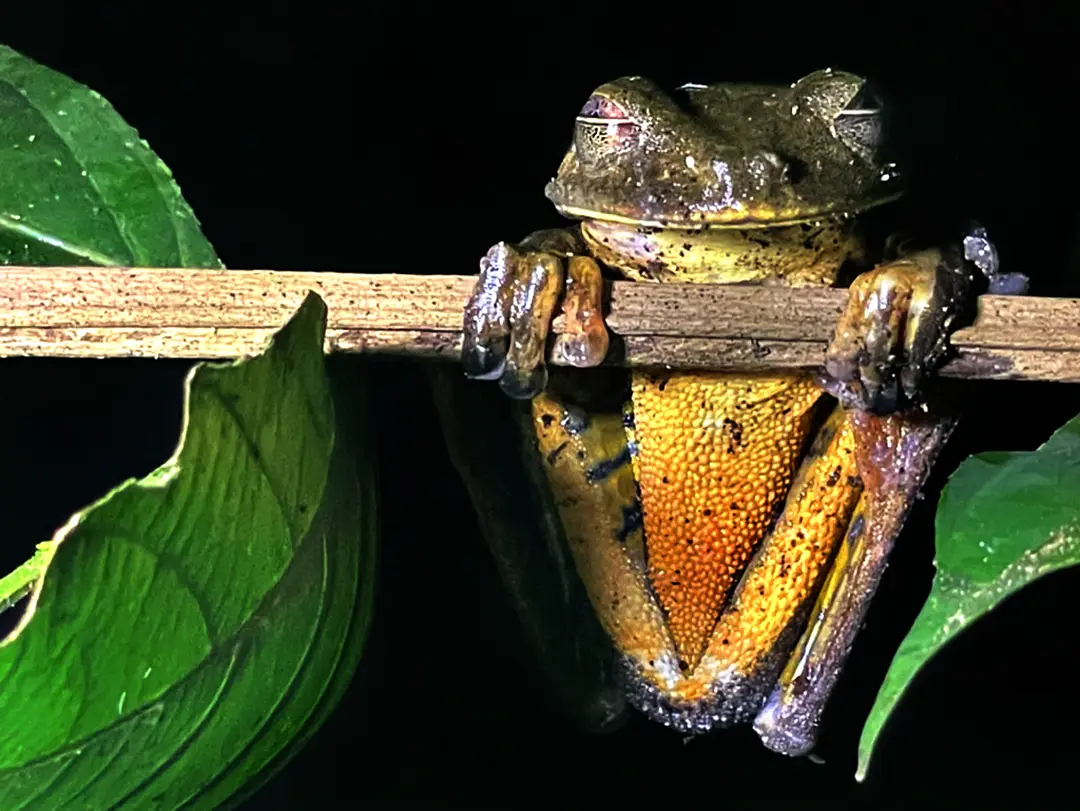
Endangered Siren Glassfrog (Nymphargus siren)
Vulnerable Andean Bear (Tremarctos ornatus)
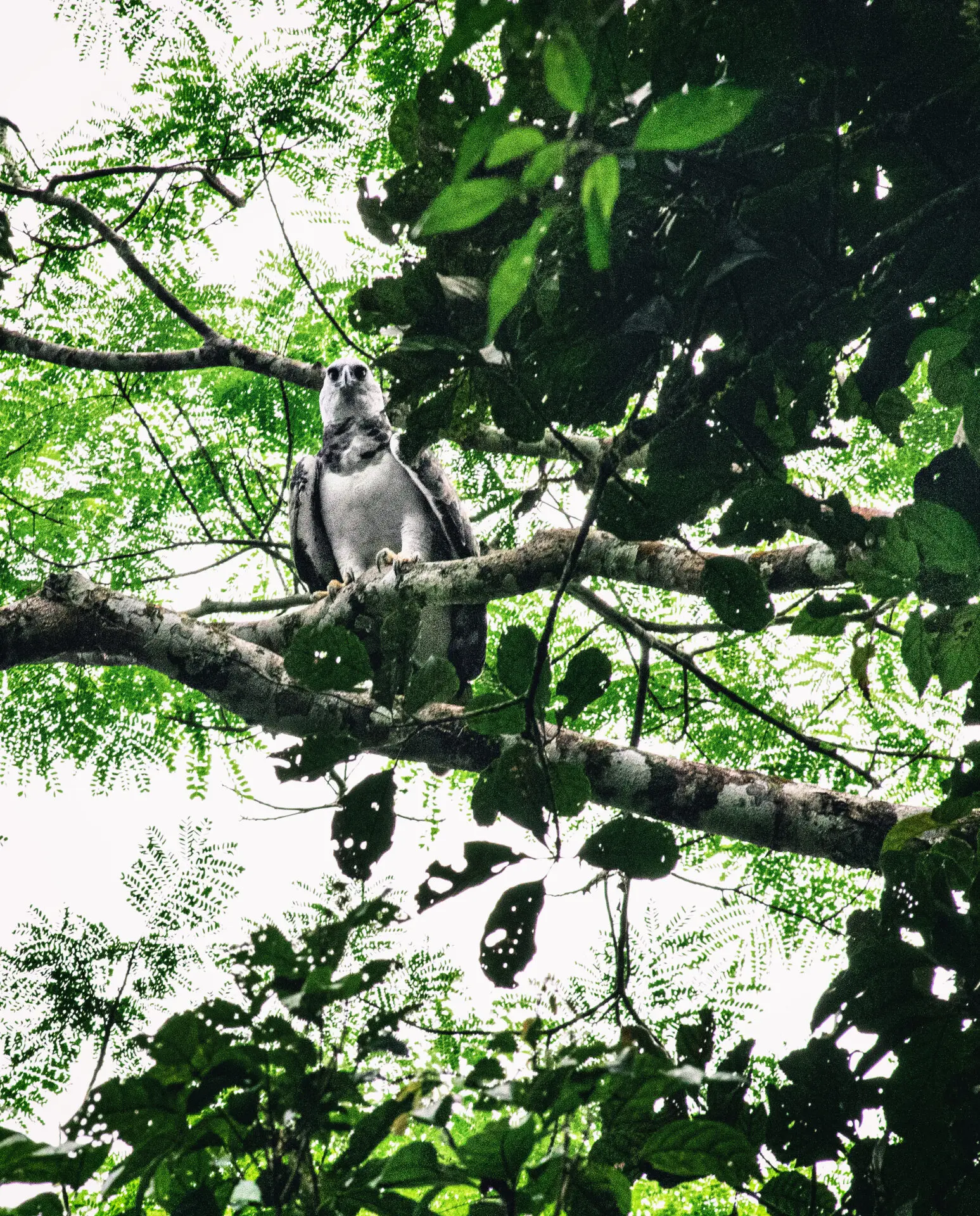
Vulnerable Harpy Eagle (Harpia harpyja)
Vulnerable Yellow-spotted River Turtle (Podocnemis unifilis)
Local Partner NGO

Empulsive Ink
Empulsive Ink is a scientific nonprofit applying high-tech to solve hard scientific and social problems.
Status of registration at the national level
501(c)(3) nonprofit in the United States (EIN 88-1869344)
Governance and management structure
Empulsive Ink is a very small charitable organization, run by Director Drea Burbank and cofounded by Chris Hope and Michael Nichols. Empulsive Ink is fully subsidized by its for-profit sister company, Savimbo Inc., but is independent of it, with separate accounting and accountability. Savimbo donates the time of its administrative and accounting staff.
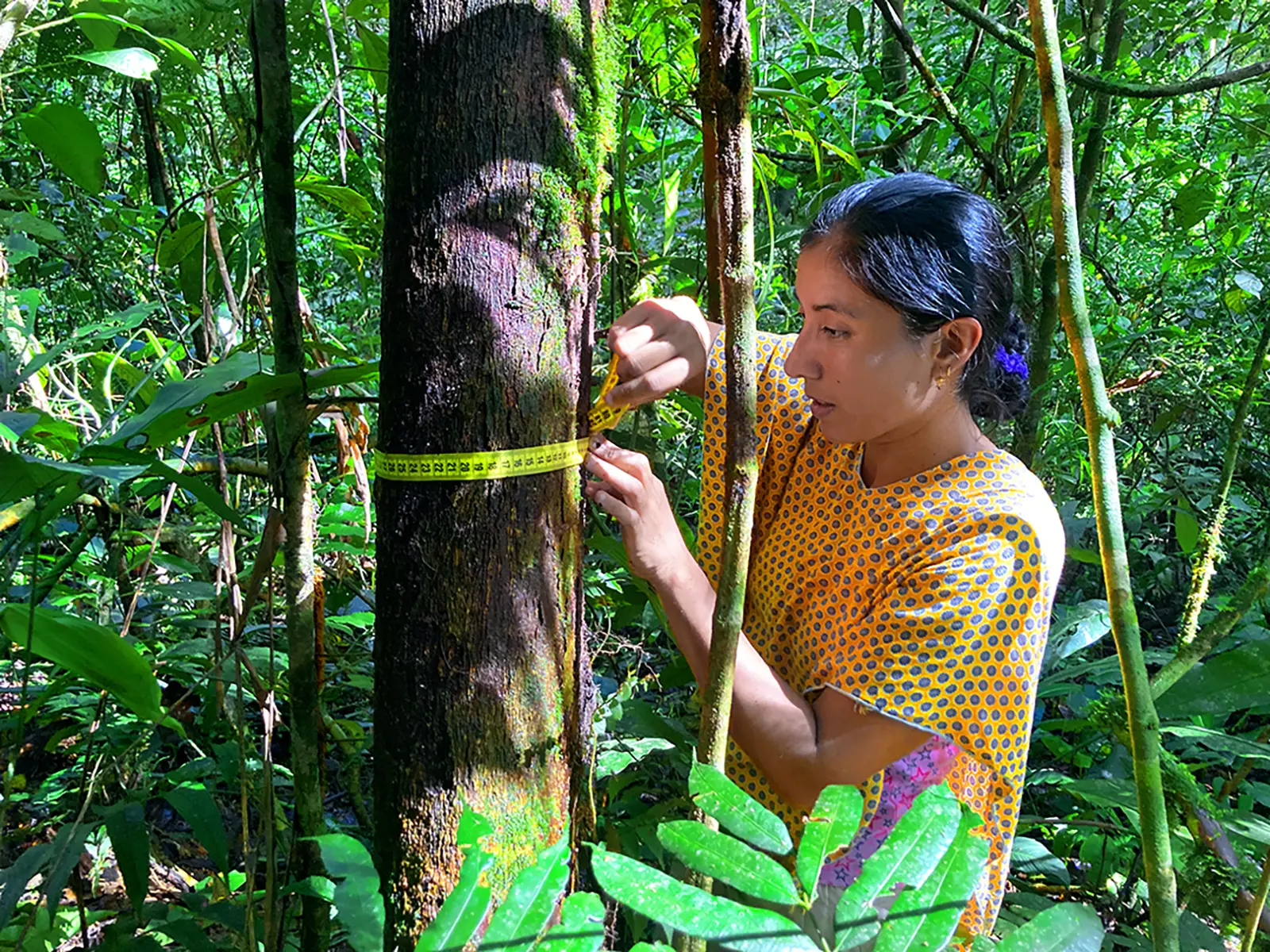
For this project, we are partnered with the Embera Chami, a displaced Indigenous group that has been jaguar-tracking for Savimbo. Charitable projects like this one are initiated and prioritized by the local community in regions where Savimbo works and is based on need. The projects are unrelated to Savimbo’s core operations and benefit the general public in the regions in which Savimbo works, not just Savimbo affiliates.
Conservation Plans
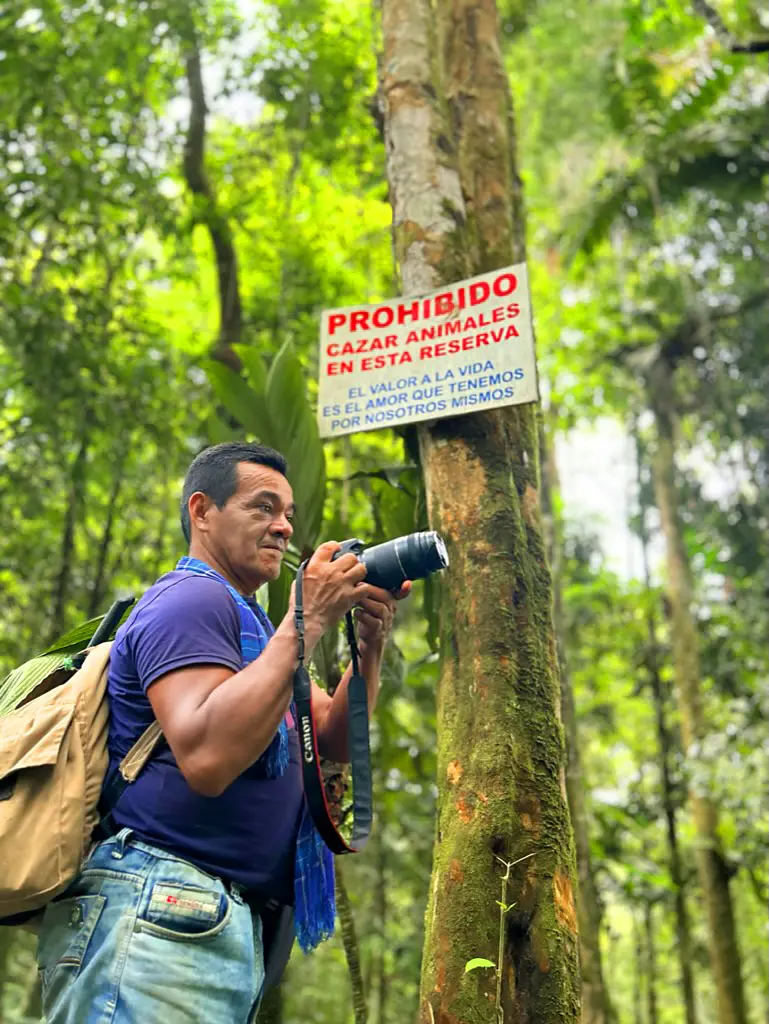
The legal purchase of this land through a rights-of-nature contract will be permanent. The land will be protected and administered autonomously by the currently displaced Indigenous group, the Embera Chami, who can only stay on the land if they honor the contract. Should there be a problem, the land will revert to the taitas, or traditional medicine doctors, as caretakers.
The land will be deep enough to be self-sustaining from carbon- and biodiversity-credit revenue, and will have a small house and subsistence farm for the 50 tribal members. The farm will be on previously cleared land; they will not be deforesting the land to create the site.