

The Habitat
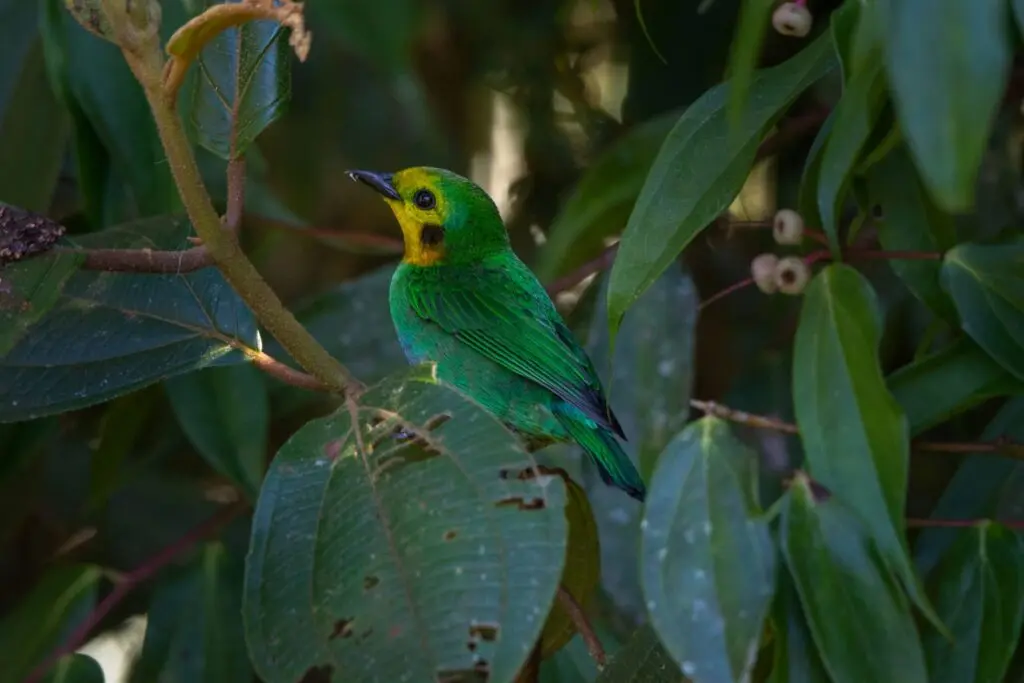
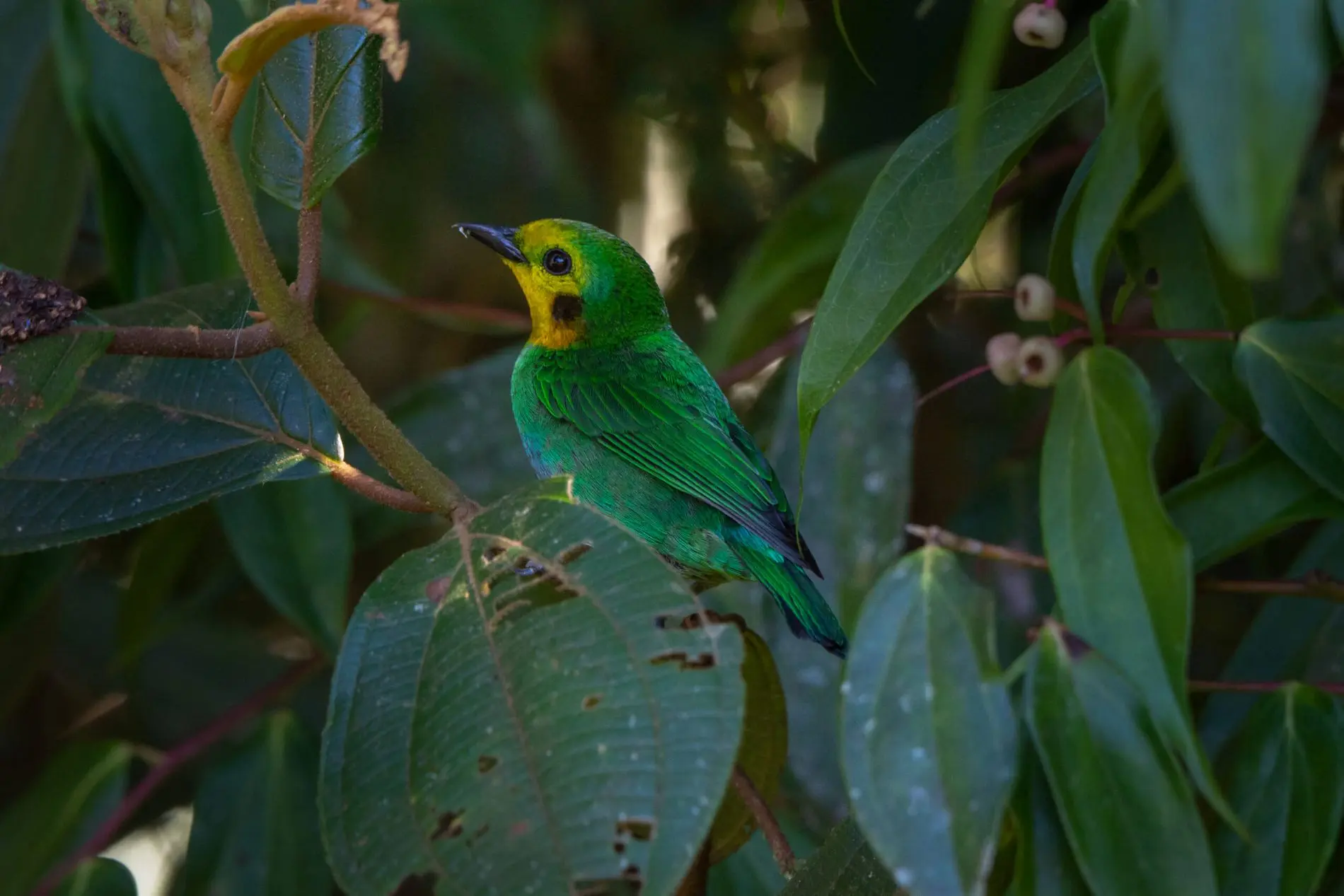
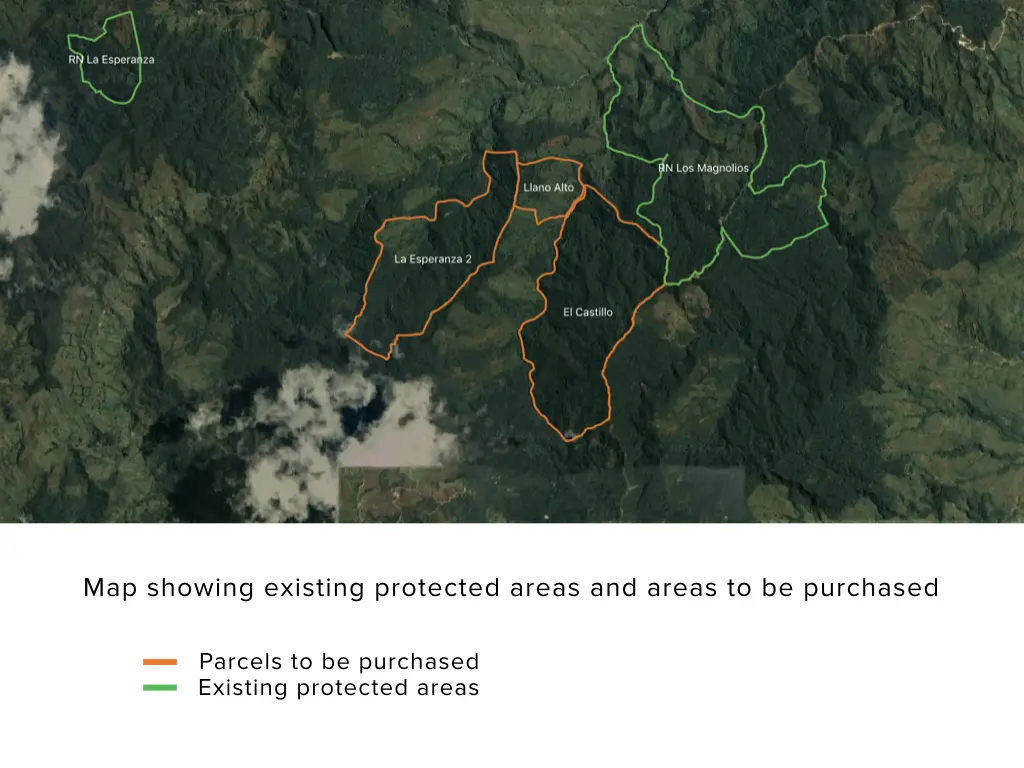
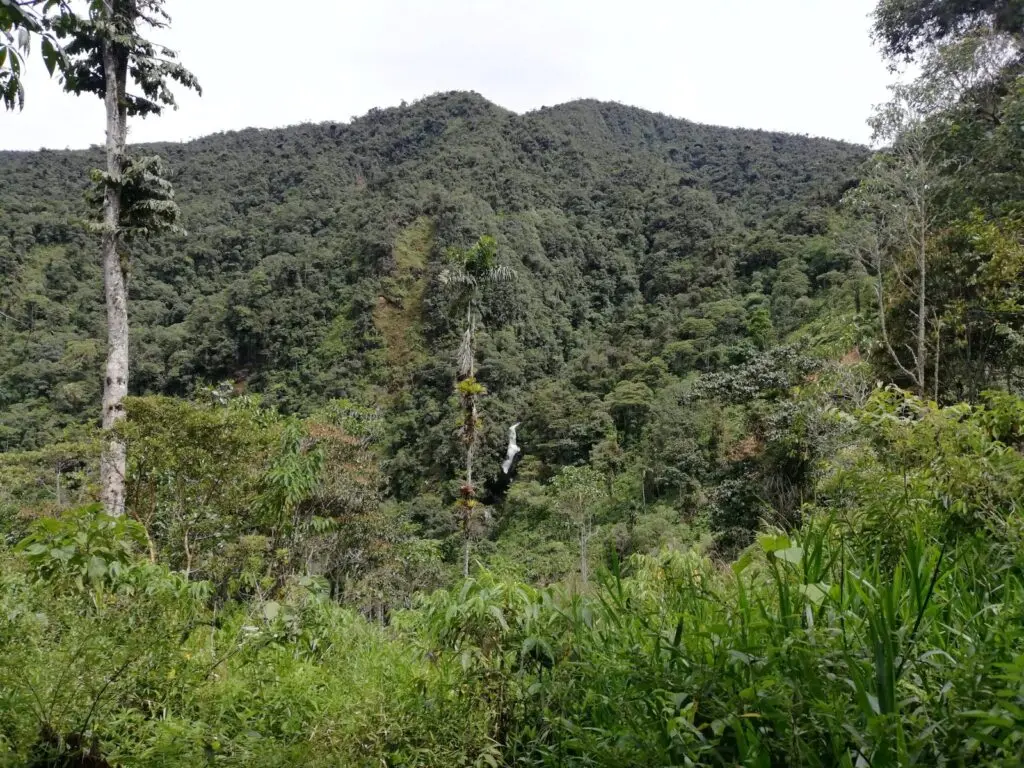
TiME’s purchase of the El Castillo plot expands the Los Magnolios nature reserve and offers an ecological corridor for wildlife from the existing reserve to two of the biggest and better-preserved remaining patches of habitat in the region.
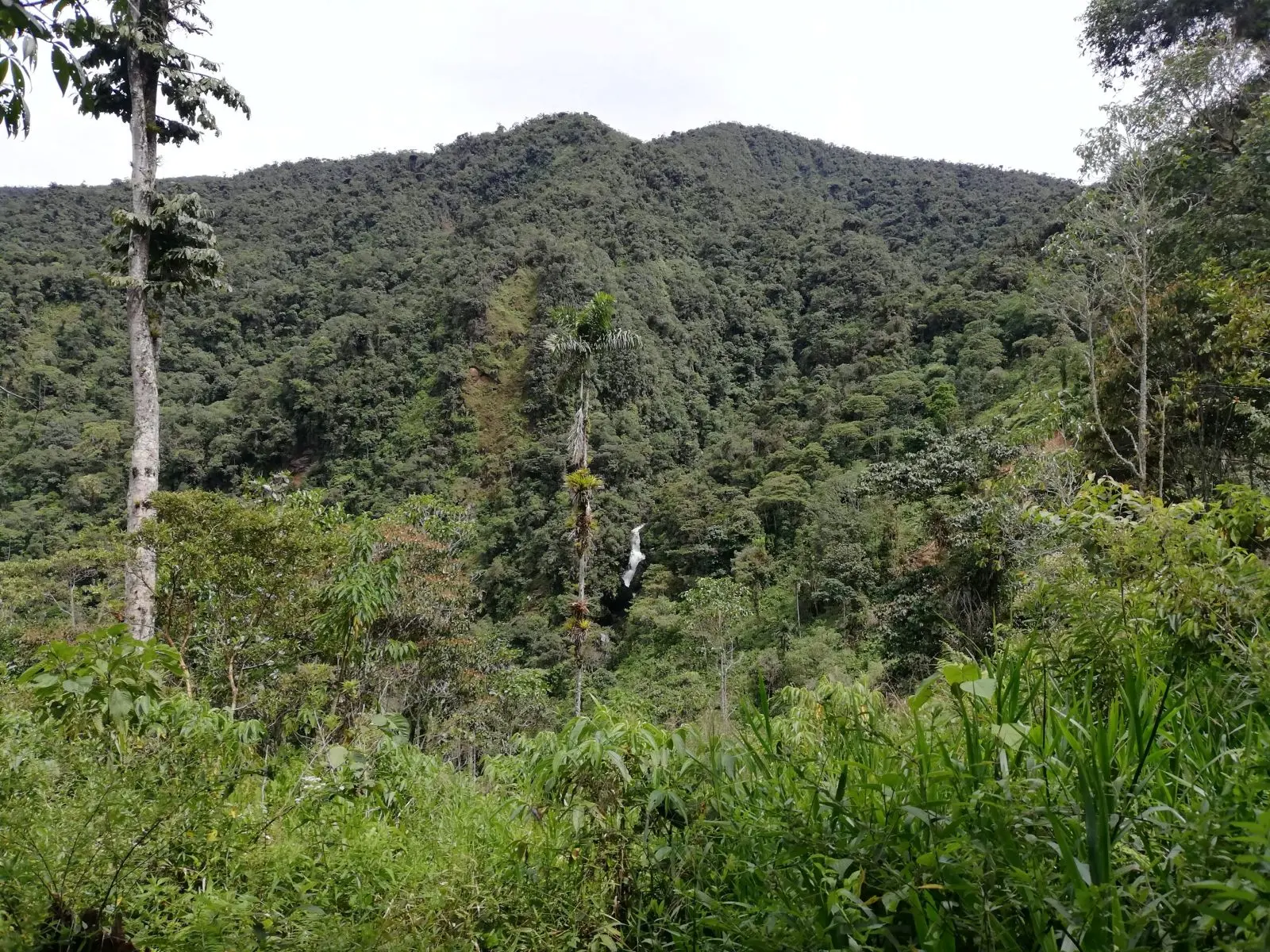
Located in El Alto de Ventanas, an incredibly high biodiversity region in the Tropical Andes biodiversity hotspot at the northern end of the Central Andes in Colombia, the land is almost fully covered with pristine primary cloud forests.
Some of the threatened species now protected in Reserva Natural Los Magnolios include:
Mammals: Critically Endangered Handley’s Slender Opossum (Marmosops handleyi); Vulnerable Silvery-brown Tamarin (Saguinus leucopus)
Birds: Vulnerable Lemon-browed Flycatcher (Conopias cinchoneti); Vulnerable Red-bellied Grackle (Hypopyrrhus pyrohypogaster)
Frogs: Vulnerable Andean Poison Frog (Andinobates opisthomelas); Vulnerable Reseda Glass Frog (Nymphargus rosada)
Plants: Critically Endangered Dracula lemurella; Endangered Almanegra de Guatape (Magnolia guatapensis); Endangered Schlimm’s Phragmipedium (Phragmipedium schlimii)
Local Partner NGO

SalvaMontes Colombia
SalvaMontes is focusing on: the creation of the Alto de Ventanas ecological corridor, through the expansion of our natural reserves (currently 1,310 acres); the development of our conservation initiatives for threatened species like the Ventanas Magnolia tree, the Ghost Monkey Orchid, the Antioquia Brush-finch and the Sabinaria Magnifica palm; and the construction of the research center for the north of the Tropical Andes.

Status of registration at the national level
Registered non-profit organization in Colombia
Governance and management structure
SalvaMontes reports to a seven-member board as well as to its 37 members at annual meetings.
Conservation Plans
The purchased land will be added to the Los Magnolios nature reserve and included in its management plan.
SalvaMontes has a strategic plan for 2020–2025 as well as long-term goals (for 2030) that include the development of projects that will ensure the long-term sustainability of the organization and the management, improvement and protection of the habitat and the safeguarding of the threatened species located within its boundaries.
Strategic actions include offering nature tourism in Los Magnolios nature reserve, running conservation initiatives for key species, establishing a research center in the reserve, involving the local community in conservation activities and practices, offering conservation consulting services and having a diversified donor portfolio.